What is clinical memory? Preserving context in mental-health practice
Clinical memory is Eunora's product and workflow term for returning to relevant context before a session while keeping sources, time, and record states visible.
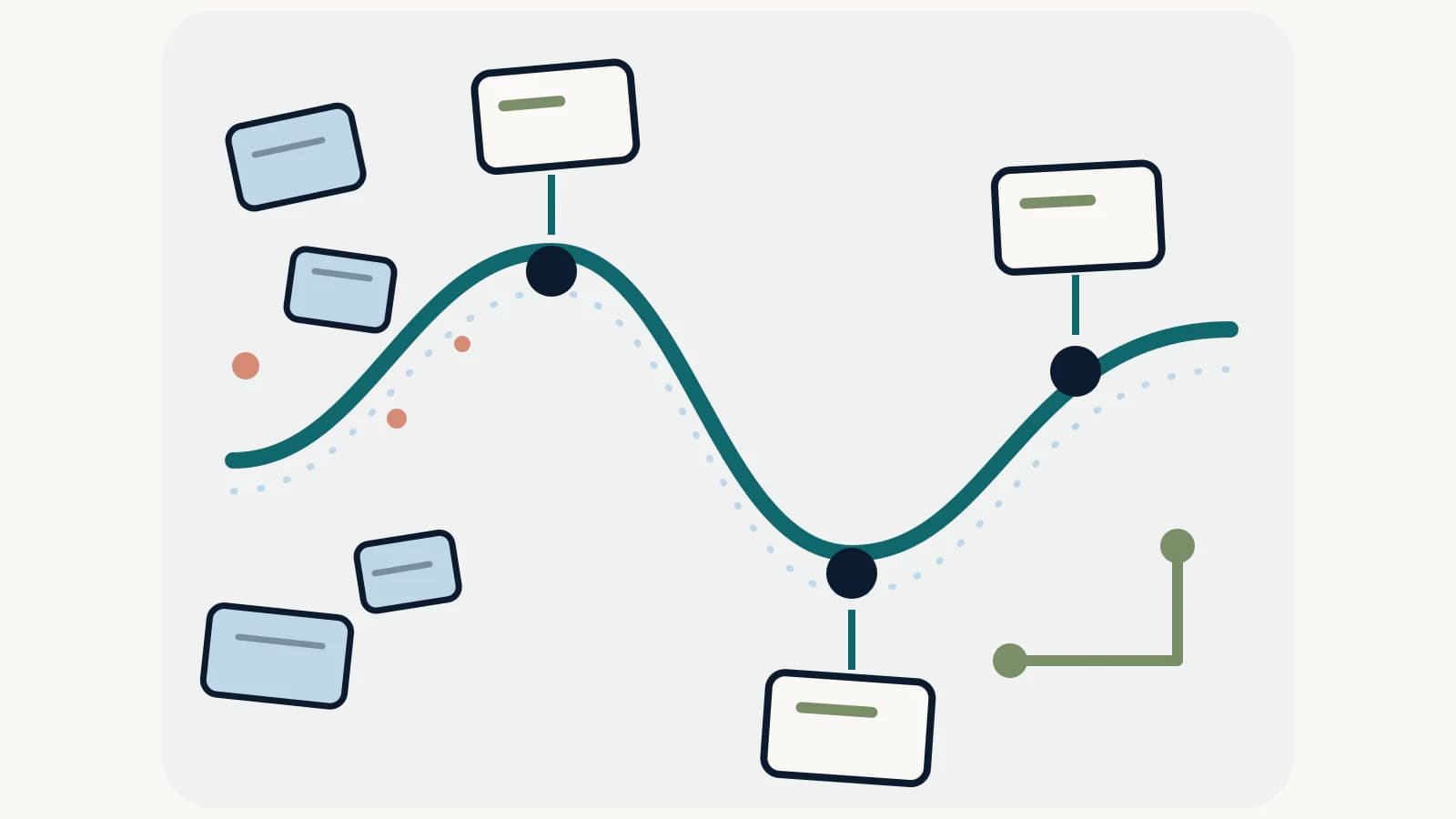
A short definition: more than storage, less than interpretation
Clinical memory is a term Eunora uses in its product and workflow language. It is not presented as a universal or formally standardized clinical concept. It describes a professional's ability to find earlier notes, documents, appointment context, and record states together with their sources before returning to the work.
The presence of a file in a system does not by itself create clinical memory. Stored information loses context when it cannot be found, when its date or author is unclear, or when source material and an approved professional record are made to look equivalent. Useful clinical memory connects findability, provenance, time, record state, and professional interpretation without attempting to perform that interpretation.
WHO's continuity framework describes informational continuity in terms of clinical and psychosocial information being available across encounters. NHS England's records guidance likewise describes a usable record as one that can be located, retrieved, presented, and interpreted through links to related records. Eunora draws on those ideas for source visibility and context retrieval; citing them does not turn Eunora's product term into their standard or endorsement.
What should source-aware clinical memory make visible?
A professional needs to see not just a statement, but where that statement sits in the record. The following cues help a clinician decide how information may be used during preparation:
- Source: a clinical note, external document, appointment record, or another clearly named record type.
- Creation and update time: enough chronology to understand which period the information belongs to.
- Record state: source material, draft, professionally reviewed record, or contextual reminder.
- Authorship and approval: a visible distinction between an observation, an opinion, and an approved entry.
- Links to related records: a traceable connection to the encounter, document, or earlier entry that supplies context.
- Changes and uncertainty: visible corrections, superseded details, and points that still require review.
A hypothetical pre-session workflow
This example is invented to illustrate workflow; it is not a client story. Before an upcoming session, a clinician opens a timeline. Alongside the approved note from the previous encounter, they see the source of an external document added later and the upcoming appointment record. A separate reminder marks an administrative point intended for follow-up.
The system does not combine those records into a single interpretation. The clinician checks the external document's date, recognizes that the reminder is not a clinical note, and reads the approved entry within their own professional context. If a detail is no longer current, the clinician decides whether to correct it or add a clarifying record.
The value in this example is not that software 'remembers' a person. It is that the software does not hide meaningful differences between records. When source and state are visible, the professional can decide what deserves attention and what should remain in the background.
The same information can have different record states
Similar wording may appear in four different contexts: imported source material, an unreviewed draft, a clinician-reviewed and approved record, or a contextual reminder for later work. The words may resemble one another, but the authority and intended use of the records are not the same.
That is why state transitions need to remain explicit. Source material must not quietly become professional opinion, and a draft must not quietly become an approved record. Dates, authorship, corrections, and approval are part of the context needed to read an entry responsibly.
Longitudinal context is not 'AI remembering everything'
Longitudinal context means working with records in a traceable sequence over time. Indiscriminate collection does not make every extra piece of data useful. Unnecessary material can obscure what matters, while a summary with unclear sources can create a fluent narrative that is difficult to verify.
Eunora's aim is not an autonomous AI memory that interprets a person continuously. It is to help an authorized professional return to relevant records, their sources, and their timing. The clinician still decides which entries matter, how they relate to one another, and what belongs in the next professional conversation.
Limits worth keeping visible
Record organization cannot make incomplete, inaccurate, or outdated information correct. Professionals need a way to inspect sources, make corrections, and understand which entry is current. An organization must also assess its own duties for access, sharing, retention, and disposal in the context where it actually provides services.
Clinical memory is not an outcomes claim. Better-organized records may support a return to context; they do not guarantee the quality of care, the therapeutic relationship, or a clinical result.
Clinical boundary
This brief is product and workflow information for professionals, not clinical advice for clients. Eunora does not diagnose, recommend treatment, score risk, or interpret a person on a professional's behalf. Clinical judgment stays with the professional.
Sources
About this Note
The Eunora Editorial Team prepared this resource for mental health professionals after reviewing WHO's continuity framework and NHS England guidance on record usability, lifecycle, and metadata. It uses that evidence to explain Eunora's own clinical-memory term within the product's stated boundaries. The cited organizations do not endorse Eunora.
This Note is educational product information, not legal advice, a retention instruction, or a clinical practice standard. Professional and organizational requirements should be assessed by qualified people in the setting where care is actually delivered.